



Follow Us!
Patient stories, informative videos and much more on our social media accounts
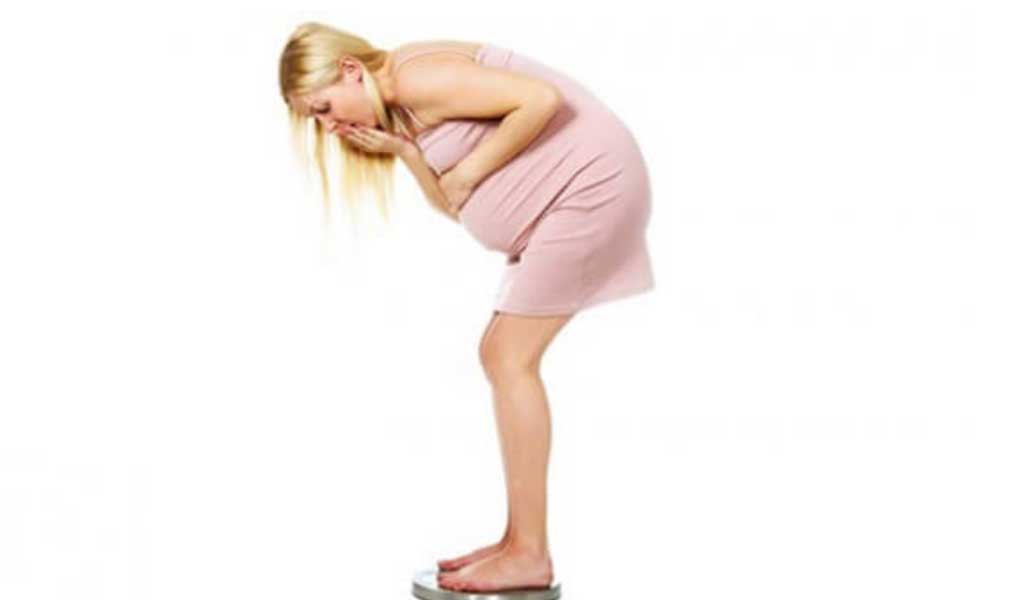
One of the most common questions asked by expectant mothers is how much weight should be gained during pregnancy. Pregnancy-related weight gain is a natural and necessary process that supports the growth of the baby, the placenta, and the physiological changes occurring in the mother’s body. However, the amount and timing of weight gain differ from woman to woman.
In most pregnancies, noticeable weight gain begins after the 7th week, although some women may gain weight earlier due to fluid retention or hormonal changes. Pre-pregnancy weight, body mass index (BMI), genetics, the baby’s growth rate, and most importantly nutritional habits, all play a decisive role.
Rather than eating more, the focus during pregnancy should be on eating better. Choosing fresh, organic foods, avoiding processed and canned products, limiting fast food, and consuming small but frequent meals are key principles. Energy needs should be met primarily through fresh fruits, vegetables, whole grains, and healthy fats, rather than refined sugars or empty calories.
A woman’s pre-pregnancy BMI (Body Mass Index) is the most important indicator for determining healthy weight gain during pregnancy. BMI is calculated by dividing body weight (kg) by height squared (m²).
BMI Categories:
Women with a normal BMI before pregnancy usually experience fewer complications and have a smoother pregnancy course. Research shows that women with a BMI over 30 have an increased risk of complications such as gestational diabetes, hypertension, preeclampsia, cesarean delivery, and certain neurodevelopmental risks for the baby.
For this reason, women with a BMI over 25 are advised to lose at least 5–10% of their body weight before conception, under medical supervision. Achieving a healthy weight before pregnancy significantly increases fertility and reduces pregnancy-related risks.
Healthy weight gain recommendations vary depending on pre-pregnancy BMI:
Gaining weight beyond these ranges increases the risk of complications, while insufficient weight gain may affect fetal growth.
Average distribution of weight gain during pregnancy:
The common belief of “eating for two” is incorrect. Excessive calorie intake leads to unnecessary fat accumulation rather than a healthier baby.
Weight gain is usually minimal. Some women may even lose weight due to nausea and vomiting. This is generally not a concern unless weight loss is severe.
This is when steady weight gain begins.
Weight gain continues but may slow slightly toward the end.
At week 20, the pregnancy is halfway complete.
Twin pregnancies naturally result in higher weight gain and require individualized monitoring.
Average fetal weights:
Babies born between 2500–4000 grams are considered to have a normal birth weight. Babies over 4500 grams are classified as large-for-gestational-age and require closer monitoring.
The placenta is a vital organ that supports oxygen and nutrient exchange between mother and baby. At birth, the placenta weighs approximately 500–600 grams. Despite its relatively small weight, it plays a critical role in fetal development and maternal health.
Maintaining weight gain within recommended limits:
Weekly self-monitoring and regular prenatal checkups are the most effective ways to ensure healthy weight progression.
Overweight women are usually advised to gain 7–11 kg, depending on individual health factors.
No. Minimal or no weight gain in the first trimester is common and usually normal.
Yes. Excessive weight gain increases the risk of gestational diabetes, hypertension, and delivery complications.
Not necessarily. Baby growth depends on multiple factors, including genetics and placental function.
Once a week is sufficient unless otherwise advised by your doctor.
Let us call you as soon as possible regarding the issues you want to consult.


© 2010 - 2026 All rights reserved.
| Design & Development

Son güncelleme tarihi : 23.11.2025 17:24:19