



Follow Us!
Patient stories, informative videos and much more on our social media accounts
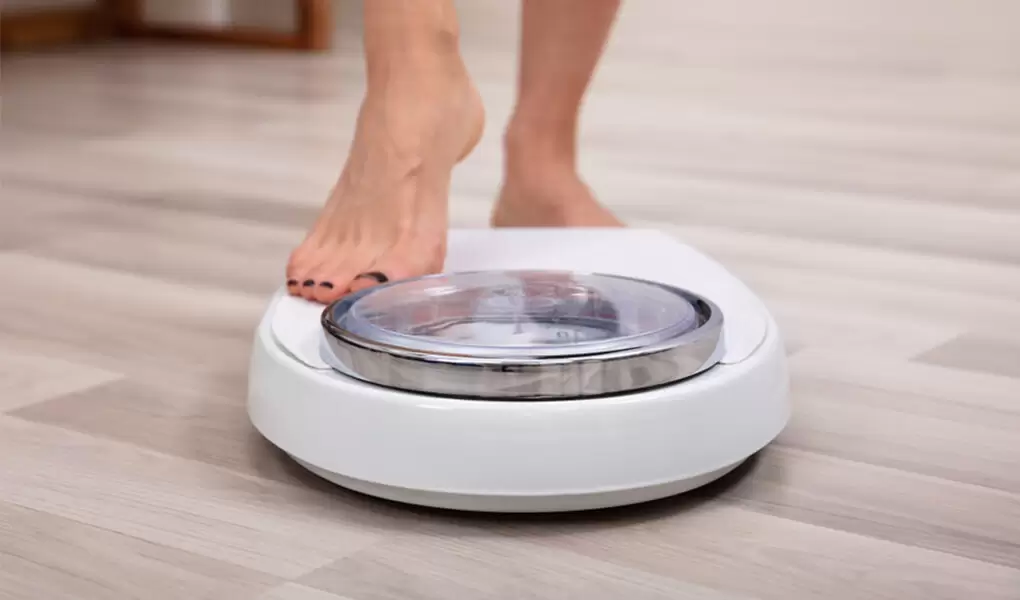
Advances in modern medicine and pharmaceutical technology have significantly improved the effectiveness of IVF (In Vitro Fertilization) treatment. Today, a wide range of medications are routinely used during IVF cycles to support ovarian stimulation, egg development, and embryo implantation. However, one of the most common concerns among women considering IVF is whether IVF medications cause weight gain.
Understanding how IVF medications work, why they are used, and what changes they may cause in the body is essential for setting realistic expectations and reducing unnecessary anxiety during treatment.
IVF treatment aims to increase the chances of pregnancy by obtaining multiple healthy eggs in a single cycle. In a natural menstrual cycle, only one follicle usually matures and releases one egg. While this is sufficient for spontaneous conception, assisted reproductive techniques such as IVF and ICSI (Intracytoplasmic Sperm Injection) benefit from retrieving multiple eggs to increase success rates.
For this reason, the ovaries are stimulated through a process known as ovarian induction. During ovarian induction, medications are used to:
These medications are carefully selected and adjusted according to the individual patient’s hormonal profile, age, ovarian reserve, and response to stimulation.
Follicles are small, fluid-filled sacs located in the ovaries that contain and nourish immature eggs. Each follicle supports the development of one egg. In IVF treatment, the goal is to stimulate the growth of multiple follicles so that multiple eggs can be retrieved.
The number and quality of follicles directly affect:
This is why controlled ovarian stimulation with medication is a central component of IVF protocols.
Most medications used during IVF are synthetic or purified versions of hormones naturally produced by the female body. These hormones are administered externally to enhance or regulate natural reproductive processes.
Common categories of IVF medications include:
These medications stimulate the ovaries to produce multiple follicles instead of one. They act similarly to the body’s natural follicle-stimulating hormones.
Certain medications prevent premature ovulation and allow doctors to precisely control when eggs are retrieved.
Before embryo transfer, estrogen and progesterone are often prescribed to thicken and stabilize the uterine lining. These hormones create an optimal environment for embryo implantation.
IVF medications may be administered in several ways:
The method of administration depends on the medication type and the treatment protocol.
Do IVF Medications Cause Weight Gain?
The short and medically accurate answer is:
IVF medications do not cause permanent weight gain.
However, some women may experience temporary weight changes during treatment, which can be confusing and concerning.
During ovarian stimulation:
As a result, some women may experience:
This change is not due to fat gain, but rather to water retention and ovarian enlargement.
After egg collection:
Within a short period, weight typically returns to baseline. Therefore, it would be inaccurate to state that IVF medications cause long-term or permanent weight gain.
If pregnancy occurs, weight changes should be evaluated as part of normal pregnancy physiology, not as a side effect of IVF medications.
In this case:
Maintaining a healthy weight during pregnancy is important for both maternal health and fetal development.
Another frequent concern is whether IVF medications can lead to serious or long-term health problems.
Based on current scientific evidence:
IVF medications have not been shown to cause serious diseases.
These medications have been used worldwide for decades and are continuously monitored for safety.
Like many medical treatments, IVF medications may cause temporary side effects in some patients. These can include:
These side effects are generally mild and resolve quickly after the treatment cycle ends.
In rare cases, excessive ovarian response to stimulation can lead to Ovarian Hyperstimulation Syndrome (OHSS).
OHSS occurs when the ovaries become excessively enlarged and fluid shifts occur within the body.
Most cases of OHSS are mild and resolve with close outpatient monitoring. Only a small number of patients require short-term hospitalization. With modern IVF protocols, the risk of severe OHSS has been greatly reduced.
No. IVF medications do not cause permanent weight gain. Any weight change during treatment is usually temporary and related to fluid retention.
Bloating is common due to increased hormone levels and temporary enlargement of the ovaries during stimulation.
Bloating usually improves shortly after egg retrieval as hormone levels normalize and excess fluid is eliminated.
There is no evidence that IVF medications permanently alter metabolism or cause long-term weight changes.
Mild weight changes are common and usually harmless. Rapid or significant weight gain accompanied by severe symptoms should be evaluated by a physician.
Extreme dieting is not recommended. A balanced, physician-approved diet is the best approach during IVF treatment.
Yes. IVF medications are widely used and considered safe when prescribed and monitored by fertility specialists.
Let us call you as soon as possible regarding the issues you want to consult.


© 2010 - 2026 All rights reserved.
| Design & Development

Son güncelleme tarihi : 23.11.2025 17:24:19