



Follow Us!
Patient stories, informative videos and much more on our social media accounts
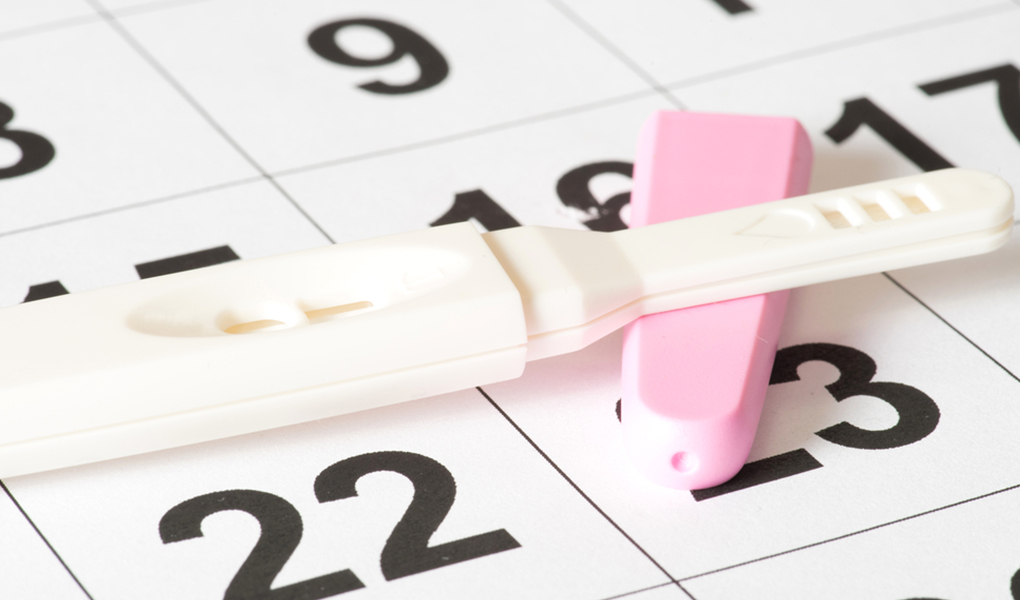
An ovulation test is a practical and reliable method used to determine the most fertile days of a woman’s menstrual cycle. It helps identify the short window during which pregnancy is most likely to occur by detecting hormonal changes that take place just before ovulation. For couples planning pregnancy, understanding ovulation timing plays a critical role in increasing the chance of natural conception.
During a woman’s reproductive years, one or sometimes more eggs mature each month within the ovaries. As ovulation approaches, the mature egg is released from the ovary and travels through the fallopian tube, where it can be fertilized by sperm. This egg remains viable for approximately 24 hours, while sperm can survive inside the female reproductive tract for up to 48 hours. Because this fertile window is limited, accurately identifying ovulation is essential for timing intercourse.
Ovulation tests are designed to pinpoint this fertile period by detecting hormonal surges associated with ovulation. To fully understand when and why an ovulation test becomes positive, it is important to first understand what ovulation is and how these tests function.
Ovulation is the process by which a mature egg is released from the ovary into the fallopian tube. In women with regular menstrual cycles, ovulation typically occurs around 14 days before the next menstrual period, regardless of cycle length. For example, in a 28-day cycle, ovulation usually takes place around day 14, while in a 32-day cycle, it may occur around day 18.
However, this calculation can be unreliable for women with irregular cycles. Stress, hormonal imbalances, thyroid disorders, polycystic ovary syndrome (PCOS), weight changes, and lifestyle factors can all affect ovulation timing. This is where ovulation tests become especially helpful.
An ovulation test is a home-based fertility test that identifies ovulation by measuring the level of luteinizing hormone (LH) in urine or, less commonly, changes in saliva composition. LH is a hormone produced by the pituitary gland, and its level rises sharply 24 to 36 hours before ovulation. This rise is known as the LH surge and directly triggers the release of the egg.
By detecting this surge, ovulation tests help women identify the most fertile days of their cycle. Intercourse during this period significantly increases the likelihood of pregnancy.
Ovulation tests are available in two main forms:
Both methods aim to predict ovulation, but they work in slightly different ways.
Urine ovulation tests function similarly to pregnancy tests. They measure the concentration of LH in the urine using a test strip or digital device. When LH reaches a certain threshold, the test displays a positive result, indicating that ovulation is likely to occur within the next 24 to 36 hours.
These tests are widely used because they are:
Saliva-based ovulation tests detect changes in saliva crystallization patterns caused by rising estrogen levels before ovulation. As estrogen increases, salt concentration in saliva rises, creating a characteristic fern-like pattern when viewed under a microscope.
While saliva tests can be reused and provide insight over multiple cycles, they may be affected by factors such as dehydration, smoking, food intake, and oral health.
To obtain accurate results from a urine ovulation test, the following steps should be followed:
If the test indicates high fertility, having sexual intercourse within the next 24–36 hours significantly increases the chance of pregnancy.
If the result is negative, testing should continue daily until a positive result is obtained.
For saliva-based tests:
The appearance of fern-like patterns indicates the fertile window.
Timing is one of the most critical factors in ovulation testing. Since ovulation occurs approximately 14 days before the next menstrual period, testing should begin a few days before this expected date.
General guidelines include:
Additional points to consider:
Hormonal medications, fertility drugs, or certain medical conditions may interfere with results. Any medication changes should be discussed with a physician.
A common misconception is that ovulation tests can detect pregnancy. This is not correct.
Ovulation tests measure LH, not the pregnancy hormone. Pregnancy tests detect human chorionic gonadotropin (hCG), which rises after implantation occurs. Therefore:
A positive ovulation test does not mean pregnancy has occurred; it only indicates the optimal time for conception.
If ovulation tests remain negative over multiple cycles despite regular testing and unprotected intercourse for one year, pregnancy may still not occur due to other factors. These may include:
In such cases, medical evaluation is recommended. Assisted reproductive treatments such as ovulation induction, intrauterine insemination (IUI), or IVF may be considered depending on the underlying cause.
No, but it helps identify fertile days more precisely and increases the chance of pregnancy.
When used correctly, urine ovulation tests are highly accurate in detecting the LH surge.
Yes, stress can disrupt hormone levels and delay or suppress ovulation.
Intercourse is recommended within 24–36 hours after a positive result.
Yes, but testing may need to start earlier and continue longer.
Ovulation tests are a valuable tool for couples planning pregnancy. By understanding how and when to use them correctly, fertility awareness increases and conception can occur more naturally and efficiently.
For detailed information about ovulation test types, prices, and fertility planning, you can contact us at 444 39 49.
Let us call you as soon as possible regarding the issues you want to consult.


© 2010 - 2026 All rights reserved.
| Design & Development

Son güncelleme tarihi : 23.11.2025 17:24:19