



Follow Us!
Patient stories, informative videos and much more on our social media accounts
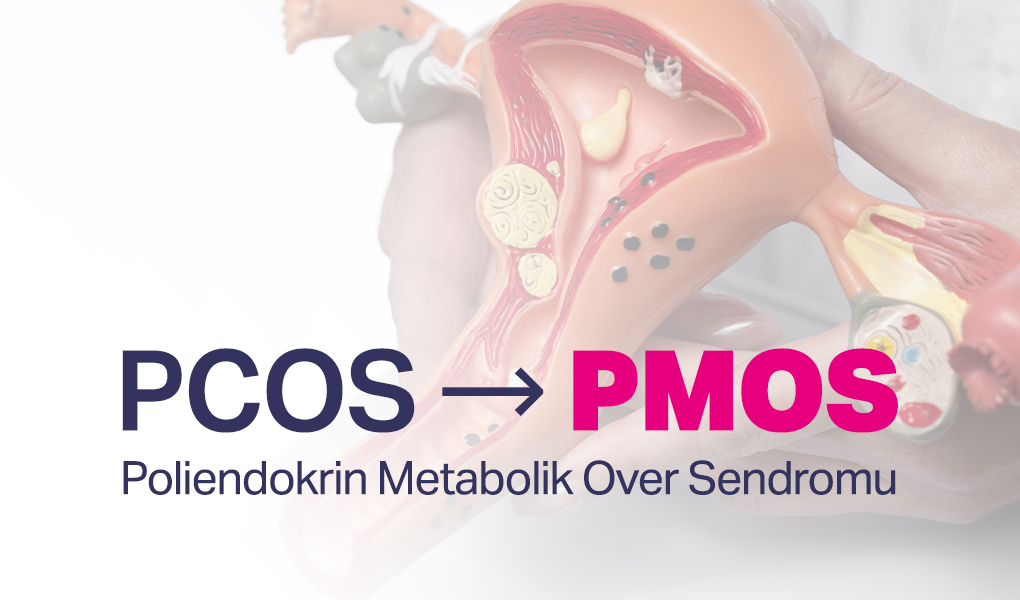
Polyendocrine Metabolic Ovarian Syndrome (PMOS), formerly known as Polycystic Ovary Syndrome (PCOS), is a complex, multisystem hormonal condition affecting 1 in 8 women worldwide. On 12 May 2026, a landmark global consensus published in The Lancet officially renamed the condition to better reflect its true biological nature — marking one of the most significant shifts in women’s health in decades.
On 12 May 2026, a condition known to millions of women around the world received a new name. Polycystic Ovary Syndrome (PCOS) is now officially called Polyendocrine Metabolic Ovarian Syndrome (PMOS), following the publication of a landmark consensus study in The Lancet and its simultaneous presentation at the European Congress of Endocrinology in Prague.
This is far more than a semantic update. For decades, the term “polycystic ovary” created a fundamental misunderstanding: it reduced a complex, multisystem condition to a misleading image of ovarian cysts. In reality, many women with this condition do not have pathological ovarian cysts at all. The old name contributed to delayed diagnoses, fragmented care, stigma, and missed opportunities for early treatment — particularly around metabolic and cardiovascular risks.
The new name addresses all of this. Each word carries scientific intent:
The condition itself has not changed. The science behind it has not changed. What changed is how we name, define, and ultimately understand it.
The old name placed the entire focus on ovaries and cysts — a framing that left the broader picture invisible to both patients and, in many cases, clinicians. The new name repositions PMOS as the multisystem endocrine-metabolic disorder it has always been.
| PCOS (Former Name) | PMOS (New Name) | |
| Primary focus | Ovaries and cysts | Hormonal system and metabolism |
| Classification | Single-organ disorder | Multisystem endocrine-metabolic syndrome |
| Risk of misunderstanding | High | Significantly reduced |
| Diagnostic scope | Narrow | Broader and more inclusive |
| Reflects full clinical picture | No | Yes |
This shift matters in practice. Women who were previously told “you don’t have cysts, so it may not be PCOS” may have been among the estimated 70% of individuals with the condition who remain undiagnosed worldwide. A name that more accurately reflects the biology of the condition is expected to improve recognition at every level — from patient self-awareness to clinical screening.
The renaming of PCOS to PMOS is the result of one of the most extensive medical consensus processes ever undertaken for a single condition.
Led by Professor Helena Teede of Monash University in Australia, the process spanned 14 years and engaged stakeholders from every corner of the world. The scale and rigour of this effort set it apart:
The principles that guided the name selection were clear: patient benefit, scientific accuracy, ease of communication, avoidance of stigma, and cultural appropriateness across different languages and healthcare systems. PMOS met all of them.
Professor Teede described the result as the largest initiative to rename a medical condition in history. The implications reach beyond terminology — advocates argue that accurately framing PMOS as a multisystem endocrine-metabolic disorder will open new avenues for research funding, clinical training, and policy reform that were previously constrained by the narrow lens of the old name.
The symptoms of PMOS are identical to those previously associated with PCOS. What changes is the context in which they are understood and investigated.
Women with PMOS may experience:
These symptoms may appear together or in isolation, and their severity varies considerably between individuals. For diagnosis, the Rotterdam criteria remain in use: at least two of the three key features — ovulatory dysfunction, clinical or biochemical signs of excess androgens, and polycystic ovarian morphology on ultrasound — must be present, with other causes excluded.
It is important to note that a polycystic appearance on ultrasound alone is not sufficient for a PMOS diagnosis, and the absence of visible follicles does not rule it out.
PMOS is one of the most common causes of ovulatory infertility in women of reproductive age. However, a diagnosis of PMOS does not mean that pregnancy is out of reach — for the vast majority of women, it means that the path to parenthood may benefit from targeted support and specialist guidance.
Understanding how PMOS affects fertility helps clarify what to expect and what options are available:
Ovulatory dysfunction: In PMOS, eggs may stall partway through the maturation process rather than completing a full cycle. When regular ovulation does not occur, identifying fertile windows becomes difficult and the likelihood of natural conception decreases.
Androgen environment and egg quality: Elevated androgen levels within the ovarian environment can create conditions that are less than ideal for developing eggs. This may affect egg quality and, consequently, the potential for successful fertilisation and early embryo development.
Endometrial receptivity: Irregular ovulatory cycles can also affect how well the uterine lining prepares for implantation. Without a consistently timed hormonal cycle, the endometrium may not reach optimal thickness or receptivity at the right moment.
Pregnancy considerations: Women with PMOS carry a modestly elevated risk of early miscarriage, gestational hypertension, and gestational diabetes. This makes careful monitoring throughout pregnancy particularly important.
Despite these challenges, PMOS is among the most treatable causes of infertility. Lifestyle modifications, ovulation induction medications, intrauterine insemination (IUI), and in vitro fertilisation (IVF) are all established pathways — and many women with PMOS respond well to ovarian stimulation, given that ovarian reserve is often well-preserved in this condition.
At Bahçeci, our specialists assess each patient’s complete hormonal, metabolic, and reproductive profile before recommending a treatment pathway. There is no single approach that fits every woman with PMOS, and a personalised plan remains the most effective starting point.
If you have previously received a PCOS diagnosis, no immediate action is required on your part. Your diagnosis is valid and directly corresponds to the new PMOS terminology — the condition is the same, and your existing treatment or monitoring plan remains fully applicable.
What this change may mean for you in practical terms:
If you have been experiencing symptoms but have not yet received a formal diagnosis, the wider recognition that PMOS brings may make it easier to be correctly identified and referred to the right specialist care.
The official renaming of PCOS to PMOS has been announced, but the transition to universal adoption will take time. A structured three-year implementation roadmap is already underway, with full integration planned for the 2028 update of the International Guideline — a document currently used across 195 countries.
Key milestones in the transition include:
During this period, you may encounter both PCOS and PMOS used interchangeably in clinical settings, on health platforms, and in conversations with healthcare providers. Both terms refer to the same condition. The transition is gradual by design — to allow clinicians, researchers, patient organisations, and health systems the time needed to align without disruption to patient care.
Yes. The condition itself has not changed. Only the name and the framework used to describe it have been updated. A previous PCOS diagnosis is entirely equivalent to a PMOS diagnosis.
No immediate action is needed. Your diagnosis remains valid, and your current treatment or monitoring plan continues unchanged. If you have questions about how the new terminology applies to your specific situation, your specialist can provide guidance.
Yes. PMOS is a treatable cause of infertility, and many women with the condition conceive naturally or with medical support. The most appropriate approach depends on individual circumstances, including the severity of ovulatory dysfunction, ovarian reserve, and overall metabolic health.
Women with PMOS often have a well-preserved ovarian reserve, which can be an advantage in IVF stimulation protocols. However, careful monitoring is essential to minimise the risk of ovarian hyperstimulation syndrome (OHSS), which occurs at a higher rate in this group. A specialist familiar with PMOS will tailor the stimulation protocol accordingly.
The Rotterdam criteria remain the standard diagnostic framework. A diagnosis requires at least two of the following three features: ovulatory dysfunction, clinical or biochemical evidence of excess androgens, and polycystic ovarian morphology on ultrasound — with other causes ruled out. Adolescents require the first two criteria to reduce the risk of overdiagnosis.
Let us call you as soon as possible regarding the issues you want to consult.


© 2010 - 2026 All rights reserved.
| Design & Development

Son güncelleme tarihi : 01.09.2026 17:48:19