



Follow Us!
Patient stories, informative videos and much more on our social media accounts
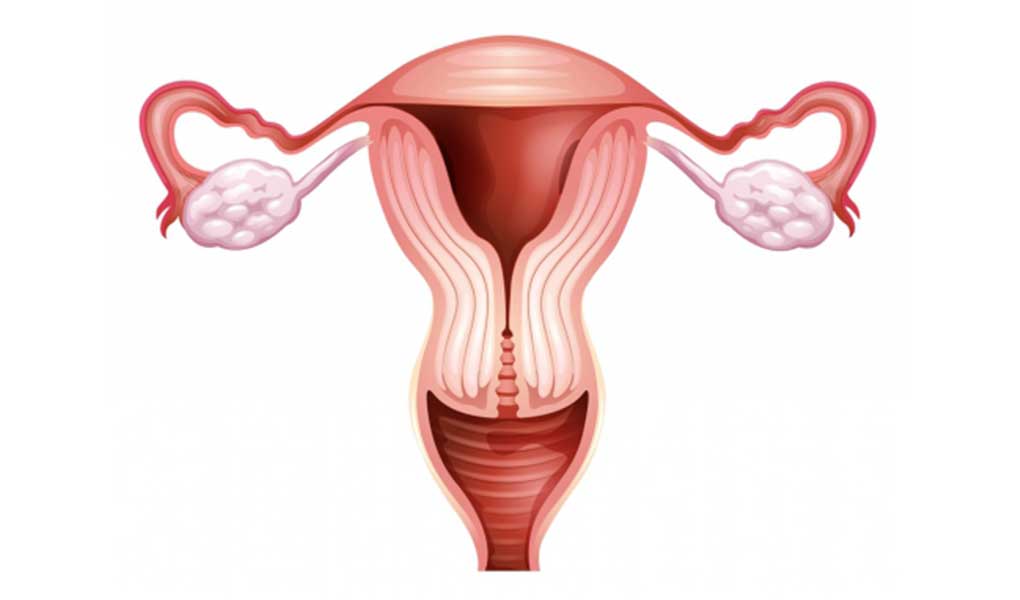
Tubal ligation, which is commonly used as a method of birth control, actually refers to a surgical procedure that cuts off the connection between the fallopian tubes and the uterus. The fallopian tubes are the two thin channels that carry the egg from the ovaries towards the uterus and where fertilisation naturally takes place. When this connection is interrupted, the egg and sperm can no longer meet in the usual way, which is why tubal ligation is widely known as a permanent contraceptive method.
However, birth control is not the only reason this procedure is performed. Although it is mostly used as a birth control method, tubal ligation can also play an important role in fertility treatment — specifically before IVF (in vitro fertilisation). In this context, the aim is not to prevent pregnancy but, on the contrary, to increase the chance of a healthy pregnancy by removing tubes that have become damaged.
In IVF treatment, fertilisation happens in the laboratory and the resulting embryo is transferred directly into the uterus, so the tubes are not needed for conception itself. The problem arises when the tubes are diseased or blocked. Tubes that are blocked far from the uterus — due to reasons such as previous surgery or infection — can damage the transferred embryo and decrease pregnancy rates.
This is because a blocked and damaged tube can fill with fluid, and this fluid may leak back into the uterine cavity. When it reaches the area where the embryo is trying to implant, it can create an unfavourable environment and reduce the likelihood that the embryo will attach and develop. For this reason, the condition of the tubes is carefully evaluated before starting treatment.
Not every patient needs this procedure. It becomes relevant mainly when imaging or examination shows that one or both tubes are blocked and damaged in a way that could harm treatment. In such cases, experts from Bahçeci Health Group suggest that tubal ligation may be recommended prior to IVF treatment. The goal is to protect the embryo that will be transferred and to give the couple the best possible chance of pregnancy.
Deciding whether the procedure is necessary is always an individual assessment. The specialist weighs the state of the tubes, the patient’s medical history and the overall treatment plan before making a recommendation, so that surgery is only suggested when it is genuinely expected to improve the outcome.
Bahçeci Health Group experts provide the following information about the procedure: “Tubal ligation is a surgical procedure. The tubes can be tied where they meet the uterus, part of them can be removed, or they can be completely taken out. It is better to completely remove problematic tubes before IVF treatment. This procedure is performed through laparoscopic surgery. If laparoscopy is not possible, the abdomen may be opened, and in cases where that is also not feasible, the tubes can be blocked using specially designed materials via the vaginal route.”
In other words, there is more than one way to carry out the procedure, and the chosen technique depends on the patient’s situation:
Laparoscopic surgery is the most common approach because it is minimally invasive: the operation is carried out through a few small incisions using a camera and fine instruments. Open surgery and the vaginal route are alternatives used only when laparoscopy is not suitable for that particular patient.
Because the appropriate method is selected according to each patient, the details of the operation, anaesthesia and recovery are explained during the pre-treatment consultation. Patients are encouraged to ask about how the chosen technique fits into their overall IVF timeline, since the aim is to complete any necessary tubal surgery before the embryo transfer stage.
It is also important to understand that when the tubes are removed or permanently blocked, natural conception through those tubes is no longer possible. In the fertility setting this is intentional and planned: pregnancy is then achieved through IVF, where the embryo is placed directly into the uterus, bypassing the tubes entirely.
Let us call you as soon as possible regarding the issues you want to consult.


© 2010 - 2026 All rights reserved.
| Design & Development

Son güncelleme tarihi : 01.09.2026 17:48:19