



Follow Us!
Patient stories, informative videos and much more on our social media accounts
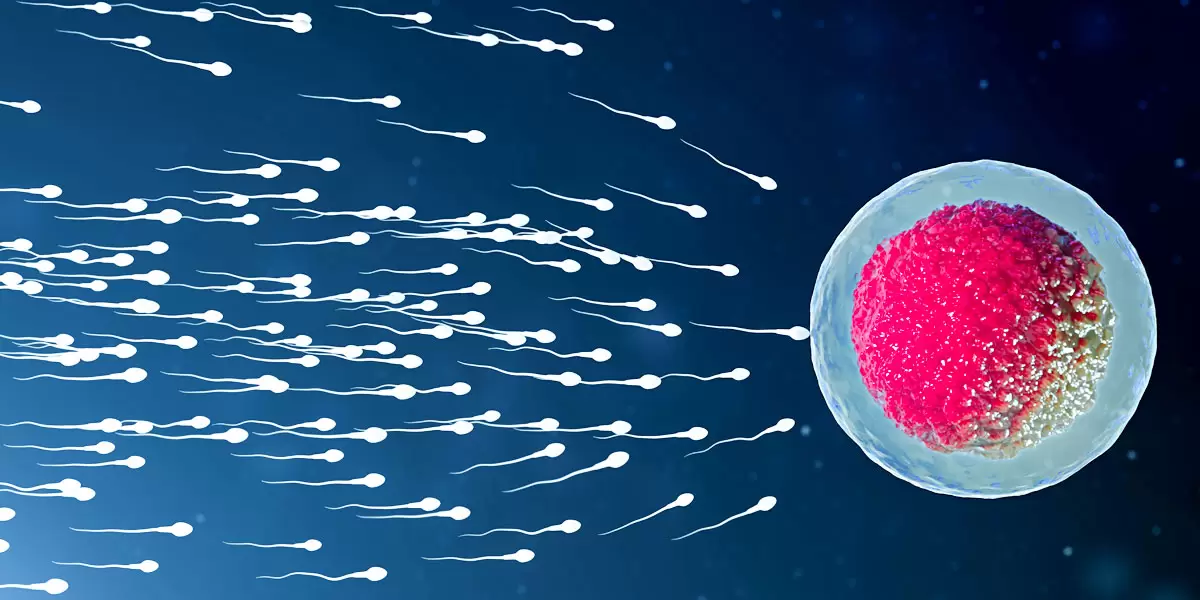
Sperm DNA damage is one of the most important yet often overlooked causes of male infertility. Even when standard semen parameters such as sperm count, motility, and morphology appear normal, damage within the DNA structure of sperm cells can significantly reduce the chances of natural conception and negatively affect assisted reproductive treatments such as IVF and ICSI.
Sperm DNA carries the genetic information that will be transferred to the embryo. If this genetic material is fragmented or structurally damaged, fertilization may fail, embryo development may be impaired, or early pregnancy loss may occur. For this reason, sperm DNA integrity plays a critical role in achieving a healthy pregnancy.
Sperm DNA damage refers to structural breaks, fragmentation, or abnormalities in the DNA strands carried by sperm cells. Unlike sperm morphology defects, DNA damage is not visible under a routine microscope examination and cannot be detected through a standard semen analysis.
The DNA within the sperm head is tightly packed to protect genetic material during transport. However, various internal and external factors may disrupt this protective structure, leading to fragmented or damaged DNA. When fertilization occurs with damaged sperm DNA, the egg may not be able to repair the genetic defects, especially as maternal age increases.
A sperm DNA fragmentation test is a specialized laboratory test used to evaluate the integrity of sperm DNA. It measures the percentage of sperm cells with fragmented or damaged DNA strands.
This test is particularly recommended for:
A high DNA fragmentation index (DFI) indicates reduced fertilization potential and lower pregnancy success rates.
Sperm DNA damage can occur due to genetic, environmental, lifestyle, and medical factors. In many cases, more than one factor contributes simultaneously.
Varicocele is one of the most common causes of sperm DNA damage. It leads to increased testicular temperature and accumulation of toxic metabolites, which negatively affect sperm production and DNA integrity.
Excessive production of reactive oxygen species (ROS) overwhelms the body’s antioxidant defense system, resulting in oxidative damage to sperm DNA.
Long-term and excessive caffeine intake may negatively affect sperm quality and increase DNA fragmentation rates.
Genital tract infections cause inflammation, which releases free radicals that damage sperm DNA.
Exposure to pesticides, heavy metals, industrial chemicals, and prolonged radiation from electronic devices can impair DNA integrity.
Certain medications, chemotherapy, and radiotherapy directly interfere with sperm DNA synthesis and repair mechanisms.
Advanced paternal age is associated with increased DNA fragmentation due to cumulative cellular damage over time.
Sperm DNA damage cannot be diagnosed through routine semen analysis. Even men with normal sperm count and motility may have high DNA fragmentation levels.
Diagnosis requires a sperm DNA fragmentation test, such as:
Your physician will decide which test is most appropriate based on clinical history and fertility outcomes.
High sperm DNA fragmentation may lead to:
Egg cells have limited capacity to repair sperm DNA damage, and this ability decreases with maternal age.
Diet alone cannot cure sperm DNA damage, but proper nutrition supports medical treatment and reduces oxidative stress.
Antioxidants such as vitamins C and E, zinc, selenium, coenzyme Q10, and omega-3 fatty acids may be prescribed by a physician.
The treatment approach depends on identifying and eliminating the underlying cause.
Varicocelectomy is one of the most effective treatments when varicocele is present. It significantly improves sperm DNA integrity and overall sperm quality.
Targeted antioxidant treatment may reduce oxidative stress and improve DNA fragmentation rates when used under medical supervision.
If infection-related DNA damage is detected, appropriate antibiotic therapy may be required.
In severe cases, IVF or ICSI using surgically retrieved sperm may offer better outcomes, as testicular sperm often show lower DNA fragmentation than ejaculated sperm.
The cost of sperm DNA testing varies depending on:
Prices may increase if combined with semen analysis or hormonal evaluations. Your clinic can provide detailed pricing information.
Yes. DNA damage may exist even when sperm count, motility, and morphology are within normal limits.
In many cases, DNA damage can be reduced by treating the underlying cause and applying appropriate medical therapy.
Yes. High DNA fragmentation significantly reduces IVF and embryo development success rates.
Sperm production takes approximately 70–75 days. Improvements are usually evaluated after 3 months of treatment.
Not always. Damage caused by lifestyle or environmental factors may be reversible with proper treatment.
Let us call you as soon as possible regarding the issues you want to consult.


© 2010 - 2026 All rights reserved.
| Design & Development

Son güncelleme tarihi : 23.11.2025 17:24:19