Let's go over all techniques in a nutshell:
Classic IVF, ICSI and IMSI

Thousands of asoospermia patients are now parents with micro-TESE (Microscopic Testicular Sperm Extraction); which is the go-to solution for male patients with no sperm in their meni. Testicles are open with only one cut to locate areas with possible sperm production/sprouting. Sperm-featuring channels/areas are easily recognisable since it’s magnified 24 times under operation microscope.
While other possible operations such as TESE, MESA, Micro-TESE is accepted as the epitome of sperm extraction with minimally invasive approach and solid positive results made possible by exponential increase in experience.
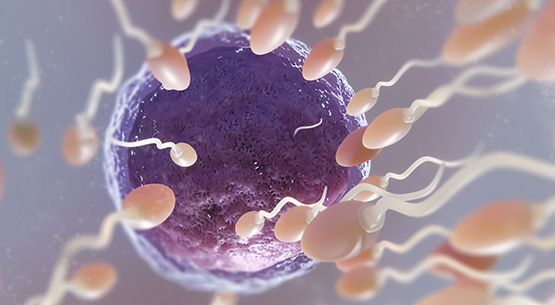
Classic IVF involves dripping your sperm sample as a whole on the eggs on a petri dish. Here, the sperm try to enter the egg themselves which may lead to failure in a greater number of cases.
In ICSI, individual sperms are selected according to their morphology, concentration and motility; and injected into eggs. IMSI is like ICSI, but we investigate sperms through 8,000x magnified images. This lets us see sperms’ morphologic structure and potential clearer..
Though it means hours of extra laboratory work, we apply IMSI to maximize your chances as a default.
During ~9 weeks of sperm formation, tens of factors play important roles: Nutrition, BMI, stress, sleep, routine/irregular lifestyle, activity levels, use of medications, smoking, alcohol consumption, muscle-building OTC products, workplace exposures of high temperature or chemicals… Our task is optimizing these subfertility (oligospermia) factors for fertility, even before you come here.
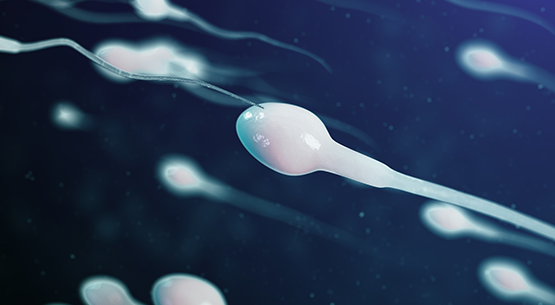
Our lab directors work with us for more than 15 years, resulting in substantial accumulation of know-how and methodology. Our spermiologists have thorough career-long trainings and thousands of hours of IMSI experience making excellence in selecting the best sperms possible.
This IMSI process also shows us possible need for further examinations such as advanced genetic testing of sperm or sORP, through which we derive sperms’ genetic health data by evaluating the conditions of sperm-producing/carrying agents